
Free Shipping World wide for all orders over $199 SHOP NOW
Tanba ware is also known as Tachikui ware, and since ancient times when it functioned as a Sueki pottery kiln, it has been counted as one of Japan’s Six...
Availability: Out of stock
Couldn't load pickup availability
Free shipping and returns available on all orders!
We ship all US domestic orders within 5-10 business days
The item with the Committed label has a lower environmental impact because it was made with sustainable materials or methods. We are committed to creating items that combine sustainability with style. Made with recycled cashmere and industril by products.
We advise routinely dusting your items with a gentle cleanser to preserve its look. Periodically, it may need to be softly wet with a mild detergent solution.


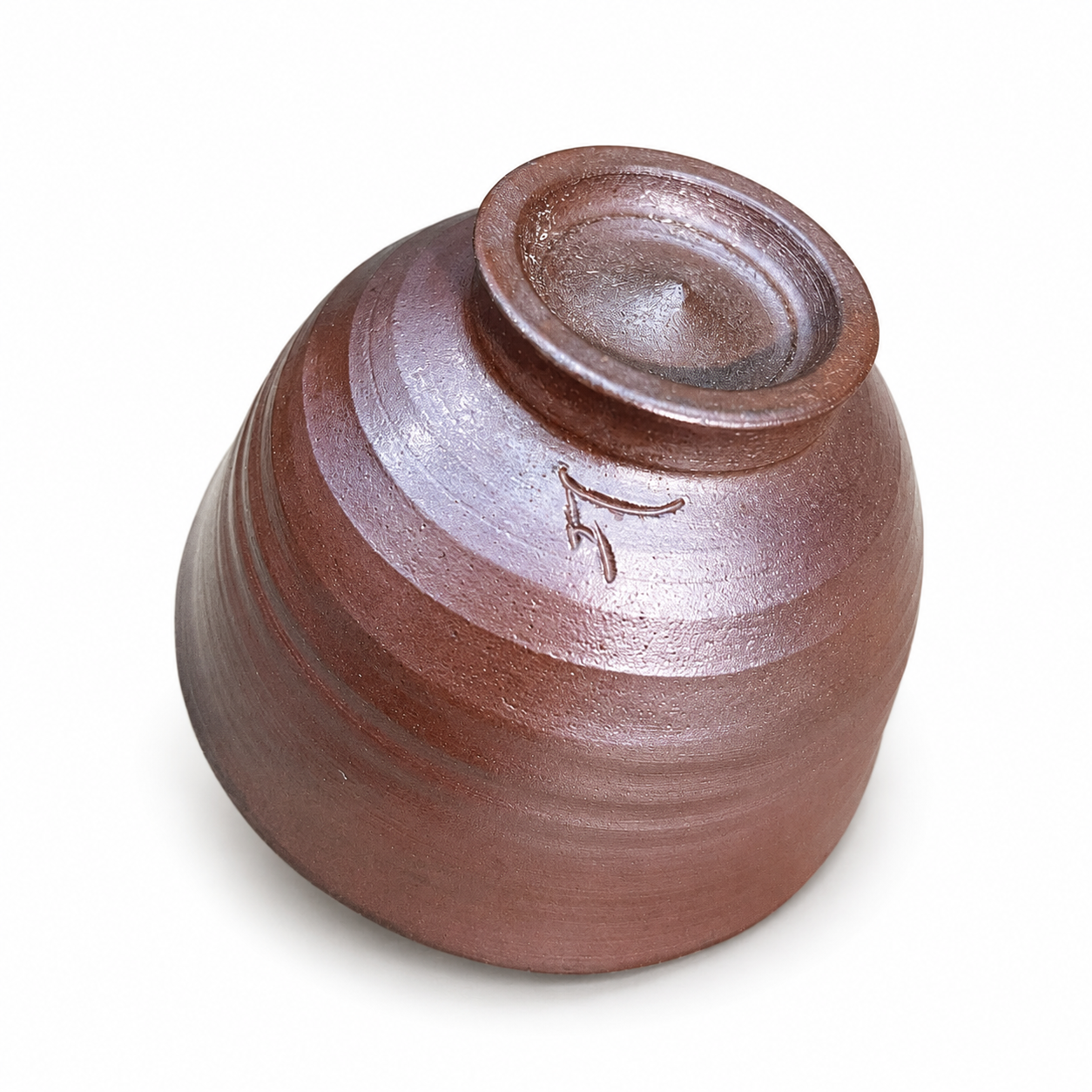
Tanba ware is also known as Tachikui ware, and since ancient times when it functioned as a Sueki pottery kiln, it has been counted as one of Japan’s Six Ancient Kilns. In olden times, it was also called Onohara ware; kiln ruins dating from the Kamakura to the Muromachi periods—such as Onohara Hyōezan, Dairōsaburō, and Inariyama—have been discovered.
Its simple and solid shapes are widely admired, especially the flow of natural ash glazes showing fiery red tones and green hues. There exists a famous jar inscribed with the date Koei 3 (1344), and the "Asakura Sanshō" (Sichuan pepper) jars are also highly celebrated; from around the Keichō era, tea utensils began to be produced, and from the mid-Edo period onward, the introduction of white glazes further expanded the variety of the wares.
Located in Tachikui, Konda-chō, Taki-gun, Hyōgo Prefecture, the pottery district thrives in a scenic, graceful, and peaceful environment; using iron-rich clay and the unique climbing kilns built along the mountain slopes, Tachikui ware is created with a characteristic stubborn strength and a heavy sense of mass. These climbing kilns are also referred to as "snake kilns" or "split kilns" modeled after Korean styles; because of their rare shape, they were designated as an Intangible Cultural Property of the prefecture in 1957.
Passed down through tradition and beautiful surroundings, the true value of Tanba ware was widely introduced by Soetsu Yanagi, the founder of the Japan Folk Crafts Museum; this has sparked tremendous interest among visiting ceramic enthusiasts, and there is an endless stream of people from both home and abroad visiting these historic kiln sites. Ohgami Kiln inherits this very tradition on the highlands of the Tanba region, and are well-known to everyone as a lively and unique pottery workshop.
We humbly request your continued patronage and enjoyment of our wares.
Tanba Tachikui Potter: Ohgami Kiln
Ohgami Takumi
Kami-tachikui, Konda-chō, Taki-gun, Hyōgo Prefecture


